WILDGuides51
Andy Swash and Robert Still, Series Editors
WILDGuides offers a wide array of award-winning, high-quality, practical titles in natural history. These books range from definitive photographic field guides that cover the wildlife of Britain and Ireland to visitor’s guides and reference works on wildlife regions around the world, all with the imprint’s distinctive attention to detail, design, and utility. Together, these authoritative, user-friendly volumes offer the best in natural history publishing available today.
“The future of field guides . . . absolutely wonderful!”—Chris Packham
“Superb range of photographic field guides.”—Stephen Moss
“A brilliant book collection.”—Stuart Winter, Sunday Express
-
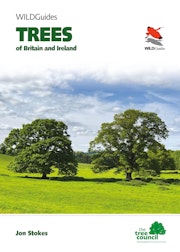
A comprehensive photographic identification guide to all of the native trees and shrubs of Great Britain and Ireland and many of the common non-native species
-
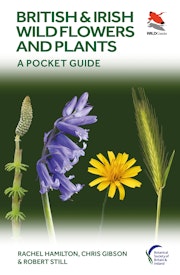
A highly illustrated and portable identification guide to the most common wild flowers and other plants
-
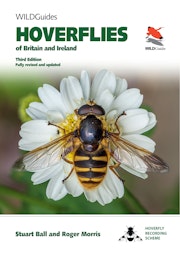
A new, improved and updated edition of the bestselling photographic guide
-
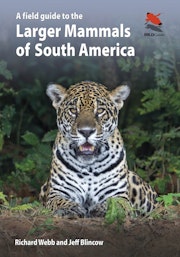
The definitive comprehensive photographic field guide to the larger mammals of continental South America
-
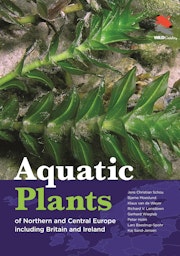
The first comprehensive guide to the aquatic plants of the region
-
A richly illustrated identification key that makes an invaluable companion to Aquatic Plants of Northern and Central Europe including Britain and Ireland
-
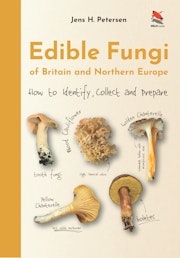
A richly illustrated guide to edible mushrooms by one of Europe’s leading fungi experts
-
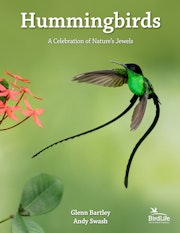
A stunningly illustrated guide to the wonderful world of hummingbirds
-

A comprehensive, richly illustrated guide to Japan’s astonishing animals and plants—and the natural forces that have shaped them
-
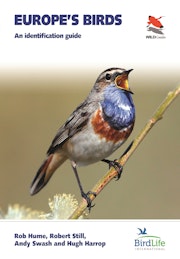
The most comprehensive single-volume photographic guide to Europe’s birds ever produced—from the authors of the acclaimed Britain’s Birds
-
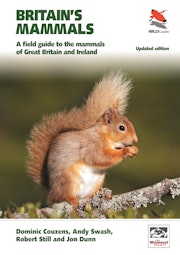
A comprehensive photographic field guide to the mammals of Great Britain and Ireland
-
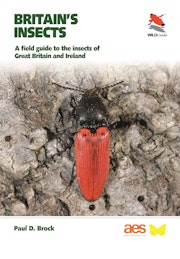
The go-to photographic guide to Britain and Ireland’s insects
-
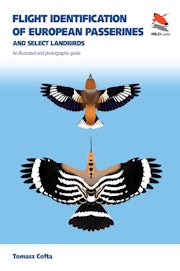
A richly illustrated, state-of-the-art field guide for identifying European passerines in flight—the first of its kind
-
A comprehensive and lavishly illustrated photographic guide—now in a handy field-guide format
-
A new and improved edition of the popular photographic field guide
-
An accessible, comprehensive and beautifully illustrated guide—the only one to cover all the orchids found in Britain and Ireland
-
A comprehensively updated edition of an identification guide that was named a Guardian Best Nature Book of the Year
-
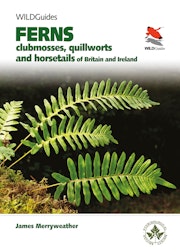
The only comprehensive photographic guide to the ferns, clubmosses, quillworts and horsetails of Britain
-
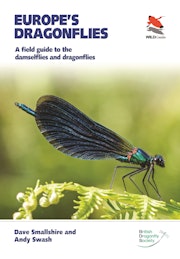
The go-to photographic guide to all the damselflies and dragonflies recorded in Europe, including the Macaronesian Islands and western Turkey
-
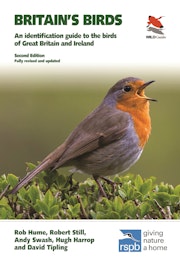
A new, improved and thoroughly updated edition of the bestselling photographic guide—the only one to cover every bird, in every plumage, ever recorded in Britain and Ireland
-
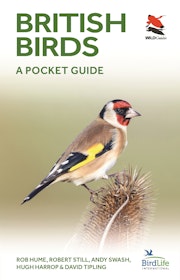
A carefully designed and lavishly illustrated photographic guide
-
A carefully designed and beautifully illustrated photographic guide to the moths you are most likely to see during the day
-
A state-of-the-art photographic identification guide to Europe’s whales, dolphins, porpoises and seals
-
The first guide to urban birding in the UK, from The Urban Birder himself, David Lindo
-
A fully revised, comprehensive photographic field guide to the dragonflies of Britain and Ireland
-
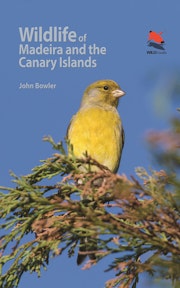
This beautifully illustrated photographic field guide is the first to focus on the identification of the fascinating, diverse and unique wildlife of Madeira and the Canary Islands--featuring the birds, mammals, reptiles, amphibians...
-
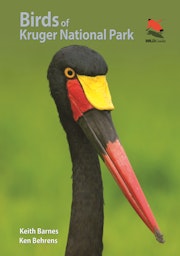
South Africa's Kruger National Park is one of the largest and most iconic conservation areas in Africa. Habitats range from wide-open savannah and rugged thornveld to broadleaved mopani woodland. This microhabitat variation gives Kruger...
-
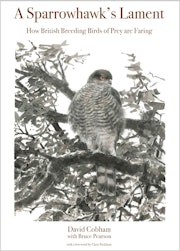
Britain is home to fifteen species of breeding birds of prey, from the hedgerow-hopping Sparrowhawk to the breathtaking White-tailed Eagle. In this handsomely illustrated book, acclaimed British filmmaker and naturalist David Cobham...
-
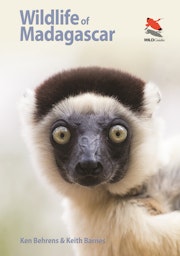
The most comprehensive single-volume field guide to Madagascar's wildlife
-
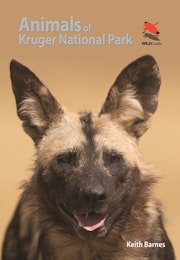
South Africa's Kruger National Park is one of the largest and most diverse conservation areas in Africa, and a hugely popular visitor attraction. Animals of Kruger National Park is a compact and beautifully illustrated guide, and the...
-
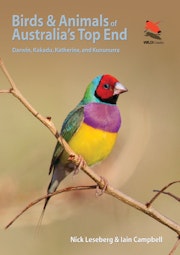
One of the most amazing and accessible wildlife-watching destinations on earth, the "Top End" of Australia's Northern Territory is home to incredible birds and animals—from gaudy Red-collared Lorikeets to sinister Estuarine Crocodiles...
-
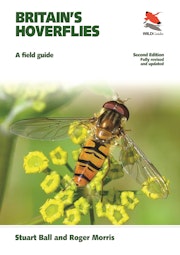
Britain's Hoverflies is a beautifully illustrated photographic field guide to the hoverflies of Britain, focusing on the species that can be most readily identified. It is the perfect companion for wildlife enthusiasts, professional...
-
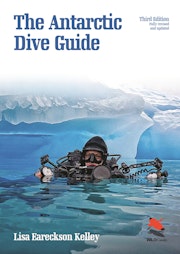
The Antarctic Dive Guide is the first and only dive guide to the seventh continent, until recently the exclusive realm of scientific and military divers. Today, however, the icy waters of Antarctica have become the extreme destination...
-
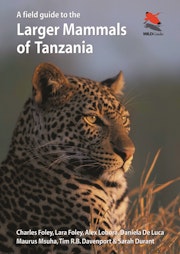
Home to the Serengeti National Park, Ngorongoro Crater, and Mount Kilimanjaro, Tanzania offers some of the finest big game watching in the world, from elephants and rhinos to chimpanzees and lions. This field guide covers all the larger...
-
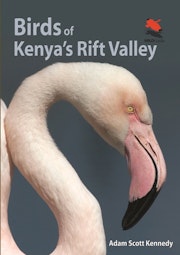
Kenya's Rift Valley includes four major national parks--Lake Nakuru, Lake Bogoria, Mount Longonot, and Hell's Gate--as well as many smaller areas that are outstanding for wildlife. Birds of Kenya's Rift Valley features the 320 bird...
-
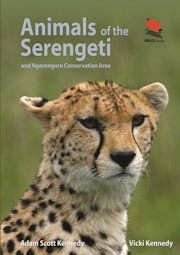
Containing 146 stunning color photos, Animals of the Serengeti is a remarkable look at the mammals and reptiles most likely to be encountered in the world-famous Serengeti National Park and Ngorongoro Crater. With an eye-catching...
-
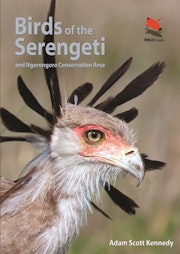
Located in northern Tanzania, the Serengeti is one of the world's most famous wildlife regions. Birds of the Serengeti is a groundbreaking and essential photographic guide, featuring more than 270 bird species most likely to be...
-
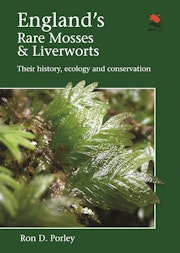
This is the first book to cover England's rare and threatened mosses and liverworts, collectively known as bryophytes. As a group, they are the most ancient land plants and occupy a unique position in the colonization of the Earth by...
-
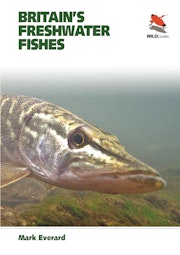
Britain hosts a diversity of freshwater environments, from torrential hill streams and lowland rivers to lakes and reservoirs, ponds and canals, and ditches and estuaries. Britain's Freshwater Fishes covers more than 50 species of...
-
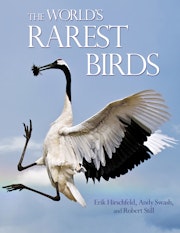
An illustrated survey of the world's most endangered birds
-
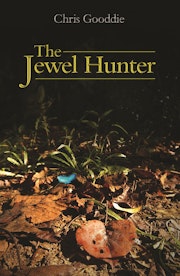
A tale of one man's obsession with rainforest jewels, this is the story of an impossible dream: a quest to see every one of the world's most elusive avian gems--a group of birds known as pittas--in a single year.
-
This is the only illustrated guide specifically tailored to the needs of visitors to this remote and captivating part of the world, and it is the ideal book for armchair naturalists.
-
One of the greatest attractions of a trip to Kenya is the chance to see animals such as lions, cheetah, leopards, zebra, and giraffe up close and in their natural habitats. Animals of the Masai Mara is a lavish photographic guide that...
-
Birds of the Masai Mara is a remarkably beautiful photographic guide featuring the bird species likely to be encountered by visitors to the popular Masai Mara National Reserve in Kenya. With an eye-catching layout, easy-to-use format...
-
South Georgia is rich in wildlife and spectacular scenery, and it is a prime destination spot on most Antarctic tours. This beautifully illustrated field guide depicts the birds, mammals, insects, flowering plants, and other vegetation...
-
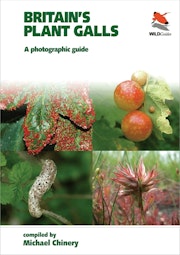
This book has been produced with the aim of stimulating the general naturalist to take a closer look at the bumps and lumps that make up the fascinating world of plant galls. Induced by a variety of insects and other organisms and...
-
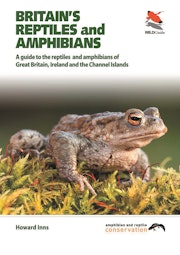
This detailed guide to the reptiles and amphibians of Britain, Ireland, and the Channel Islands has been produced, with the collaboration of the Amphibian and Reptile Conservation Trust, with the aim of inspiring an increased level of...
-
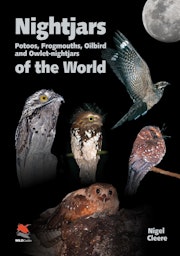
This is the ultimate identification guide to the nightjars, potoos, frogmouths, Oilbird, and owlet-nightjars of the world. Covering all 135 known species of these elusive and cryptically plumaged birds, this illustrated guide features...
-
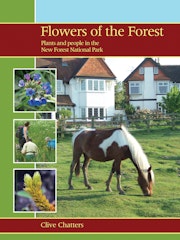
This book explores the botanical richness and cultural heritage of the New Forest National Park in Hampshire, England. The New Forest has become an exceptional area for wildflowers, many of which were once common throughout the lowlands...
-
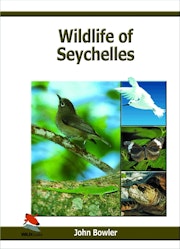
This is an indispensable guide to the wildlife of Seychelles, covering the birds, mammals, reptiles, amphibians, and invertebrates most likely to be encountered. It features 64 superb color photographic plates, and highlights the many...
-
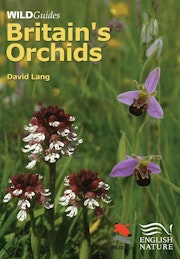
Featuring 60 superb color plates, this is an easy-to-use photographic identification guide to the 51 orchid species native to Britain and Ireland, including their various forms, and 9 species of uncertain provenance. The text includes...